
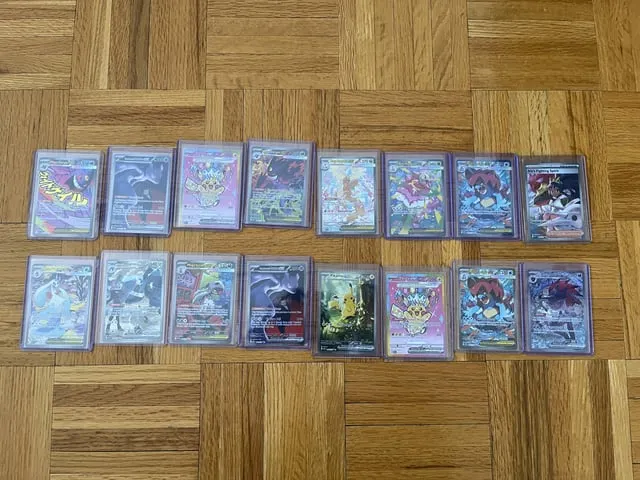
Over the past several years, Pokémon cards have transformed from childhood collectibles into highly valuable investment assets. Rare Pokémon cards have sold for astonishing amounts at auctions, while sealed booster boxes and graded collectibles continue attracting global attention from collectors and investors alike.
But are Pokémon cards truly good long-term investments? Can modern Pokémon products hold value in the future? What factors determine whether a Pokémon card becomes valuable?
This article explores the growing world of Pokémon TCG investing and explains how collectors evaluate cards, sealed products, and long-term market potential.
The value of Pokémon cards is influenced by several key factors:
Pokémon remains one of the largest entertainment franchises in the world. Millions of people grew up with Pokémon games, anime, movies, and trading cards.
As these fans became adults, demand for nostalgic collectibles increased dramatically. Rare vintage cards became especially valuable due to limited supply and emotional significance.
When discussing Pokémon investing, collectors usually separate cards into two categories:
Vintage cards typically include:
These cards are often highly valuable because:
First Edition Charizard remains one of the most famous collectible cards in the world.
Modern cards include recent expansions from:
Modern cards can still become valuable, especially:
However, modern products usually have larger print runs than vintage sets.
Condition is one of the most important factors affecting Pokémon card value.
Even rare cards lose significant value if damaged.
Collectors evaluate:
Cards in gem mint condition command much higher prices than heavily played copies.
Professional grading services help standardize condition evaluation.
Professional grading companies such as:
evaluate cards and assign numerical grades.
A graded card offers:
High-grade cards are especially desirable among investors because they are rarer than ungraded copies in excellent condition.
For example:
Many investors prefer sealed Pokémon products because unopened items become increasingly scarce over time.
Popular sealed investments include:
Sealed products preserve the excitement of opening packs while protecting potential future value.
Once Pokémon stops printing a set, sealed inventory gradually decreases as collectors open products.
This scarcity often increases long-term demand.
Although Pokémon cards can appreciate in value, investing always involves risks.
Potential risks include:
Not every card becomes valuable, and short-term speculation can be risky.
Collectors should avoid purchasing cards purely for profit expectations.
Certain Pokémon consistently attract stronger demand.
Popular investment Pokémon include:
Cards featuring fan-favorite Pokémon often perform better long-term because demand remains strong across generations.
Artwork quality also significantly influences collector interest.
Social media has dramatically increased Pokémon market visibility.
Influencers, celebrities, and livestream pack openings have introduced millions of people to the hobby.
This exposure created:
Online marketplaces now allow investors to buy and sell Pokémon cards globally.
Beginners should approach Pokémon investing carefully.
Helpful beginner strategies include:
Many experienced collectors recommend combining enjoyment with investing rather than treating Pokémon purely as a financial asset.
The Pokémon franchise continues growing globally through:
As long as Pokémon remains culturally relevant, the TCG market will likely maintain strong collector interest.
Limited products, nostalgia, and continued fan engagement support long-term market stability.
Pokémon cards have become one of the world’s most fascinating collectible markets. Rare cards, graded collectibles, and sealed products continue attracting attention from collectors and investors worldwide.
While Pokémon investing involves risks, strong nostalgia, global popularity, limited products, and growing collector demand have helped many cards gain significant long-term value.
Whether collecting for fun, nostalgia, or investment potential, Pokémon TCG remains an exciting hobby filled with opportunity, community, and discovery.